Confirming your installed system’s actual performance closes the loop and provides genuine assurance.
- Test softened output water after installation to confirm expected hardness reduction.
- Watch for practical symptom improvements as everyday confirmation.
- Contact your installer to review system settings if performance falls short of expectations.
- This verification loop provides genuine confirmation beyond simply trusting the installation.
Post-Installation Water Testing
Test your softened output water after installation to confirm the system is achieving the expected hardness reduction, typically near 0-1 GPG.
Practical Symptom Observation
Watch for reduced soap scum, improved lathering, and less spotting on dishes/fixtures as practical, everyday confirmation of proper function.

What to Do If Performance Falls Short
If post-installation testing doesn’t show the expected reduction, contact your installer to review system settings (regeneration cycle timing, salt dosage) before assuming the unit is inadequate.
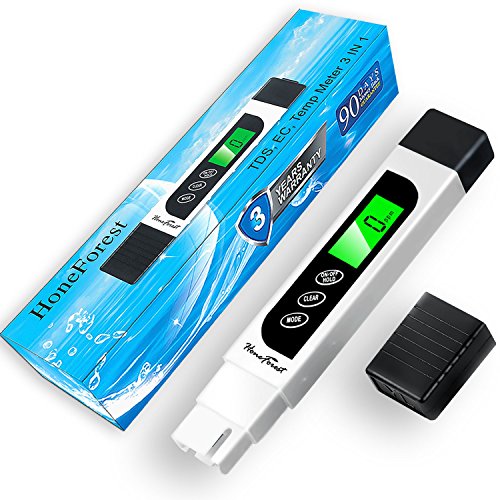
Test the Same Tap, Before and After
The single most useful verification step is comparing a measurement taken before installation with one taken after, at the same fixture, using the same method. A single post installation reading tells you what the water is now but not what changed, and memory of how the old water felt is not a baseline. Where a pre installation test was never taken, the next best comparison is between a treated tap and an untreated one, since most installations leave outside spigots or a dedicated kitchen tap on the raw supply and those become a usable reference point.
Watch the Brine Tank and the Regeneration Cycle
Beyond the water itself, the equipment gives its own evidence. Salt should be visibly consumed over time, because a unit that never uses salt is not regenerating and will eventually stop softening. A metered unit should regenerate in response to how much water the household actually uses rather than on a schedule that ignores it. Knowing roughly how often the system should cycle for your household, and noticing when that changes, catches most developing problems well before the water starts feeling hard again.
If Performance Falls Short of What Was Sold
When testing does not show the improvement that was promised, the useful response is documentary rather than argumentative. Test results, the dated installation paperwork and the written scope together establish what was agreed and what was delivered, and most reputable installers will return to correct a sizing or setup problem when presented with that. Common causes are undersizing for the measured hardness, settings left at factory defaults, or a bypass valve inadvertently left open, and none of those require replacing the system.
FAQ
How do I know my new softener is actually working?
Test your softened output water (expecting near 0-1 GPG) and watch for practical symptom improvements like reduced soap scum and better lathering.
How soon after installation should I test?
Once the system has run long enough for treated water to have worked through the household plumbing rather than immediately after the installer leaves. Ask the installer what they expect for your setup.
What if only some taps feel soft?
That is usually expected rather than a fault. Most installations deliberately leave outside spigots, and sometimes a kitchen tap, on the untreated supply. Confirm which lines were meant to be treated before assuming a problem.
Don’t assume system effectiveness without post-installation testing or observed practical improvement.
These statements have not been evaluated by the Food and Drug Administration. This information is not intended to diagnose, treat, cure, or prevent any disease. Content is for informational purposes only and is not medical advice; consult a qualified healthcare provider before starting any supplement. As an Amazon Associate we earn from qualifying purchases.
