Water softener and conditioner technology continues to develop, offering more options than traditional salt-based systems alone.
- Salt-free conditioning technology offers an alternative avoiding added sodium and reducing maintenance.
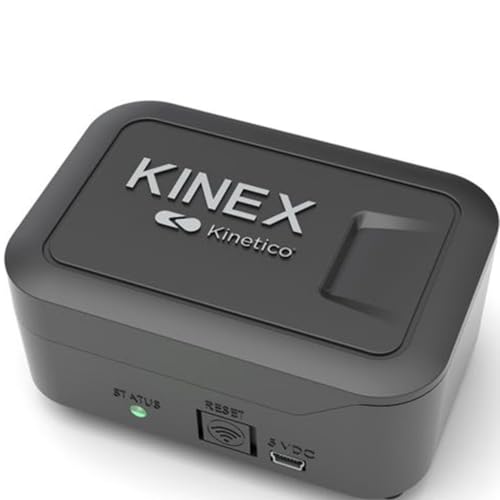
- Smart monitoring systems provide convenient app-connected maintenance tracking.
- The fundamental softening vs. conditioning choice remains the key decision point despite these advances.
- This technology space continues to evolve, offering more options than traditional systems alone.
Salt-Free Conditioning Technology
Salt-free conditioners (using template-assisted crystallization or similar technology) offer an alternative to traditional ion-exchange softening, avoiding added sodium and reducing maintenance.
Smart Monitoring Systems
Smart softener systems provide app-connected monitoring of salt levels, water usage, and regeneration cycles, offering more convenient maintenance tracking than traditional systems.
What Technology Doesn’t Change
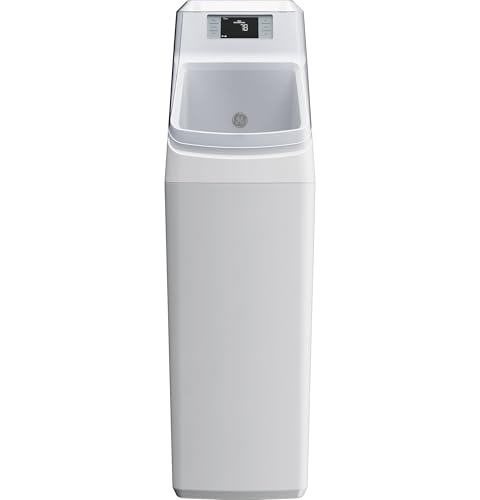
Despite these advances, the fundamental choice between softening (removing minerals) and conditioning (altering mineral structure without removal) remains the key decision point.

How to Judge a New Technology Claim
New water treatment technology arrives with claims that are hard to check from the outside. The useful question is not whether a technology is new but whether anyone independent has measured it. Established softening has decades of published performance behind it and recognized certification programs that test products against a defined standard.
When a product category is genuinely new, that testing infrastructure often does not exist yet. That is not proof the technology fails. It does mean the only evidence available is from the people selling it, and that evidence should be weighted accordingly.
Where Electronic and Magnetic Descalers Sit
Devices that clamp onto a pipe and claim to treat water without chemicals or plumbing changes occupy an unusual position. They are inexpensive and easy to install, which makes them attractive, but independent verification of their performance has been inconsistent and the proposed mechanisms vary between manufacturers.
If you are considering one, the honest framing is that you are buying a low cost experiment rather than a known quantity. That can be a reasonable choice when the alternative is a major installation, provided you go in knowing which one you are making and have a way to tell whether anything changed.
Questions Worth Asking Before You Buy In
Ask what the product claims to do to the minerals, specifically. Removal and structural alteration are different outcomes with different consequences for scale, for spotting on glassware and for soap performance, and a claim that stays vague about which one it delivers is telling you something.
Ask what certification the product carries and against which standard. Ask what maintenance it genuinely requires, because a claim of no maintenance is a strong claim that deserves scrutiny. Ask what happens at the end of its life and who services it.
Technology That Solves a Different Problem
Some of what gets marketed alongside softening is not addressing hardness at all. Point of use reverse osmosis systems installed under a sink produce excellent drinking water and are frequently sold in the same conversation as whole house treatment, but they treat only the water at that one tap.
That distinction matters because scale forms in the water heater, the dishwasher and the pipes, none of which are downstream of an under sink unit. A reverse osmosis system is a reasonable purchase for drinking water quality and does essentially nothing for the appliance problem. Being clear about which problem you are solving prevents buying the right product for the wrong reason.
FAQ
Is salt-free conditioning as effective as traditional softening?
Salt-free conditioners address scale formation differently (altering crystal structure rather than removing minerals) — effectiveness for your specific goals should be compared directly against traditional softening for your situation.
Compare salt-free conditioning against traditional softening specifically for your goals (scale prevention vs. actual mineral removal) before choosing.
These statements have not been evaluated by the Food and Drug Administration. This information is not intended to diagnose, treat, cure, or prevent any disease. Content is for informational purposes only and is not medical advice; consult a qualified healthcare provider before starting any supplement. As an Amazon Associate we earn from qualifying purchases.