Hard water has generated a fair number of misconceptions, and separating myth from fact helps homeowners make evidence-based decisions.
- Hard water minerals are not considered a health hazard — concerns are aesthetic and appliance-related.
- Whether you need a softener depends on your specific water hardness level, not a universal requirement.
- Softened water is safe to drink for most people, though very low-sodium diets warrant awareness of added sodium.
- Understanding these distinctions helps homeowners make evidence-based, not myth-driven, treatment decisions.
Myth: Hard Water Is a Health Hazard
Fact: hard water’s minerals (calcium and magnesium) are not considered a health hazard by regulatory bodies — in fact, some research suggests dietary calcium/magnesium intake has health benefits. The primary concerns with hard water are aesthetic and appliance-related, not health-related.
Myth: Every Home Needs a Water Softener
Fact: whether you need a softener depends on your specific water hardness level — many homes with moderately hard water function fine without one, while homes with very hard water see more noticeable appliance and plumbing benefits from treatment.
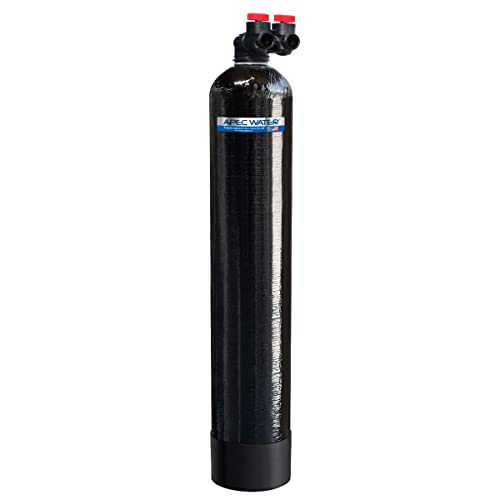
Myth: Softened Water Isn’t Safe to Drink
Fact: softened water is safe to drink for most people, though those on very low-sodium diets should be aware that ion-exchange softeners add a small amount of sodium and may want to use an unsoftened tap for drinking water.

Myth: Bottled Water Solves a Hard Water Problem
Bottled water addresses exactly one of hard water’s effects, which is how the water tastes when you drink it. It does nothing about the effects that cost money. Scale forms inside the water heater, the dishwasher and the fixtures regardless of what is in the refrigerator, and laundry still comes out of the same supply line. Households that switch to bottled water for drinking and assume the problem is handled tend to discover the appliance side years later. Bottled water is a taste preference. It is not a hard water strategy.
Myth: A Salt Free Conditioner Is Just a Softener Without the Salt
Salt free conditioners and ion exchange softeners do genuinely different things, and the marketing language around them blurs that on purpose. A softener removes the hardness minerals from the water. A conditioner generally leaves them in and tries to change how they behave so they are less likely to deposit as scale. Whether that suits a given household depends on which symptom is actually bothering them. Someone whose complaint is soap performance and skin feel is buying a different outcome than someone whose complaint is scale in the water heater, and a device that is a reasonable answer to one can be a poor answer to the other.
Fact: Hardness Is a Measurable Number, Not a Feeling
The most useful correction to every myth on this list is that hardness is measurable. A test gives a figure, that figure maps to a category, and the category is what should drive whether you buy anything and what size it should be. Spotted glassware, a slippery feeling after a shower and a neighbor’s strong opinion are all indirect signals that can point the wrong way. Testing first is the single step that separates a decision based on evidence from a decision based on a sales conversation.
What the Standards Bodies Actually Say
The clearest correction to the health myth is what the regulators have and have not written down. The Environmental Protection Agency maintains a set of secondary drinking water standards, which it describes as non mandatory guidelines addressing aesthetic considerations such as taste, color and odor rather than risks to human health.[1] Hardness is not one of the contaminants on that list. It appears there only as one of the noticeable effects associated with total dissolved solids.[1] So hardness carries no federal drinking water limit of any kind, neither a health based one nor an aesthetic one.
The World Health Organization reached a comparable position in its own review of hardness, concluding that the data are insufficient to suggest either minimum or maximum concentrations of these minerals, and that no guideline values are proposed.[2] The United States Geological Survey describes hard water residue on glassware in the same register, as unsightly rather than dangerous.[3]
None of that makes hard water pleasant to live with. It does mean that the decision to treat it is a comfort and equipment decision rather than a health one, which is the distinction most of the myths on this page blur.
FAQ
Is hard water dangerous to drink?
No — hard water’s minerals are not considered a health hazard by regulatory bodies. The concerns with hard water are aesthetic (spots, scale) and appliance-related, not health-related.
Do salt free conditioners actually soften water?
Not in the sense a softener does. They generally leave the minerals in the water and aim to reduce scale formation instead, so the right choice depends on whether your complaint is scale or soap performance.
Is spotting on glassware proof that I have hard water?
It is a reasonable hint, not proof. Detergent choice, rinse aid and dishwasher condition all produce similar marks. A test settles it.
This is general information — those with specific dietary sodium restrictions should discuss softened water use with their physician.
References
- Secondary Drinking Water Standards: Guidance for Nuisance Chemicals. U.S. Environmental Protection Agency
- Hardness in Drinking-water: Background Document for Development of WHO Guidelines for Drinking-water Quality. World Health Organization
- Hardness of Water. U.S. Geological Survey
These statements have not been evaluated by the Food and Drug Administration. This information is not intended to diagnose, treat, cure, or prevent any disease. Content is for informational purposes only and is not medical advice; consult a qualified healthcare provider before starting any supplement. As an Amazon Associate we earn from qualifying purchases.
