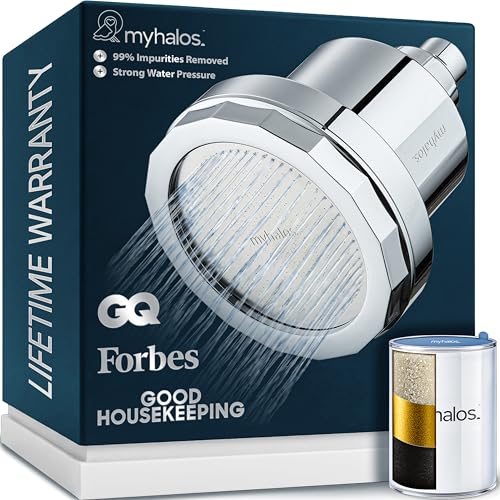
Hard water is common in many regions, but its effects are not felt equally by everyone in the home. Minerals such as calcium and magnesium can accumulate as scale on fixtures, appliances, and plumbing, and they can also influence water quality for drinking, bathing, and cooking [1].
Certain groups — including young children, pregnant women, older adults, and people with existing skin or immune conditions — may experience more noticeable impacts from prolonged exposure to elevated mineral levels. This article outlines why these populations are considered more vulnerable and offers practical steps homeowners can take to reduce risk.
- Children, pregnant women, older adults, and people with skin or immune conditions are the groups most likely to notice health effects from hard water.
- Mineral intake from water adds to dietary sources; monitoring total calcium and magnesium is important for those with high supplement use or kidney concerns.
- Simple maintenance — flushing water heaters, cleaning aerators, using moisturizers after bathing — can reduce exposure without major expense.
- A certified point‑of‑use filter or whole‑house softener provides the most consistent reduction in hardness minerals for vulnerable households.
How Hard Water Affects Different Household Members
The primary way hard water influences health is through the concentration of dissolved minerals that remain after water evaporates or is heated. When water is used for bathing, the minerals can leave a residue on skin and hair, potentially causing dryness or irritation. In drinking water, the same minerals contribute to overall dietary intake, which is generally safe for most adults but can become a concern when combined with other sources of calcium or magnesium.
Scale buildup inside pipes and appliances reduces water flow and can increase the concentration of minerals that reach the tap. This means that households with older plumbing or poorly maintained water heaters may deliver water with higher mineral loads than newer systems. Regular maintenance, such as flushing the water heater and cleaning aerators, helps keep mineral levels closer to the source water quality.
Children and Developing Systems
Children consume more water per kilogram of body weight than adults, so any minerals present in drinking water represent a larger proportion of their daily intake. While calcium and magnesium are essential nutrients, excessive amounts from water can contribute to an imbalance, especially if the child’s diet already provides adequate levels from food or supplements.
Skin barrier function in infants and young children is still maturing, making them more susceptible to dryness and irritation from mineral residues left after bathing. Parents often notice that children with eczema or sensitive skin experience flare‑ups when the household water is particularly hard. Using a mild, fragrance‑free cleanser and applying a moisturizer immediately after bathing can mitigate these effects.

Pregnant Women and Fetal Considerations
During pregnancy, the body’s demand for calcium and magnesium rises to support fetal bone development and maternal physiological changes. Hard water can add to this intake, but the contribution is usually modest compared with dietary sources and prenatal supplements. However, women who already have high mineral intake from diet or supplements should be aware of the cumulative total.

Some studies suggest that very high magnesium levels in drinking water may be associated with altered blood pressure regulation, though the evidence is not conclusive for typical municipal hardness levels. Pregnant women who notice unusual swelling, headaches, or changes in blood pressure should discuss water quality with their healthcare provider as part of a broader assessment.
Older Adults and Chronic Conditions
Aging reduces kidney efficiency in regulating mineral balance, so older adults may be less able to excrete excess calcium or magnesium from water. For individuals with chronic kidney disease, heart failure, or hypertension, even modest increases in mineral load can affect medication dosing and fluid management.
Scale buildup in plumbing can also lead to reduced water pressure, making it harder for older adults to maintain adequate hydration. Installing a point‑of‑use filter or a whole‑house softening system can improve both water quality and flow, supporting better daily fluid intake.
People with Skin Conditions or Compromised Immune Systems
Conditions such as eczema, psoriasis, and contact dermatitis are aggravated by mineral residues that remain on the skin after washing. Hard water can strip natural oils, leaving the skin barrier more vulnerable to irritants and allergens. Dermatologists often recommend using a water softener or a shower filter certified to reduce hardness minerals for patients with these conditions.
Individuals with weakened immune systems — whether from medication, illness, or treatment — may be more sensitive to any microbial growth that can thrive in scale deposits inside pipes. Regular cleaning of faucet aerators, showerheads, and water heater tanks reduces the chance of biofilm formation and helps maintain safer water for all household members.

FAQ
Does hard water cause serious illness in healthy adults?
For most healthy adults the mineral levels in typical hard water are well within safe dietary limits and do not cause illness. The main concerns are aesthetic — scale on fixtures, dry skin, and reduced appliance efficiency — rather than acute health risk.
Can a water softener remove all minerals from drinking water?
Standard ion‑exchange softeners replace calcium and magnesium with sodium or potassium, reducing hardness but not eliminating all dissolved solids. If you need low‑mineral water for medical reasons, a reverse‑osmosis system installed at the point of use is more effective.
Is bottled water a better option for vulnerable family members?
Bottled water can provide a known mineral profile, but it is costly and generates plastic waste. A properly maintained home treatment system usually offers a more sustainable and equally safe alternative for daily use.

How often should I test my water if I have a vulnerable person at home?
Annual testing for hardness, total dissolved solids, and any local contaminants is a reasonable baseline. If you notice changes in taste, pressure, or skin irritation, test sooner and consider consulting a water‑quality professional.
This information is for general educational purposes and does not replace medical advice. If a household member has a diagnosed condition that may be affected by water quality, consult a licensed healthcare provider and a certified water‑treatment specialist for personalized recommendations.
References
- Hardness of Water. U.S. Geological Survey
These statements have not been evaluated by the Food and Drug Administration. This information is not intended to diagnose, treat, cure, or prevent any disease. Content is for informational purposes only and is not medical advice; consult a qualified healthcare provider before starting any supplement. As an Amazon Associate we earn from qualifying purchases.