Hard water is common in many homes, and most homeowners can manage minor scale with routine cleaning and point‑of‑use filters. However, persistent buildup, recurring appliance failures, or unexplained changes in water quality often signal that the problem has moved beyond simple DIY fixes.
This guide outlines the practical indicators that it’s time to bring in a licensed water‑treatment professional, what to expect during an assessment, and how to budget for professional hard water scale buildup and softening remediation without over‑ or under‑investing.
- Recurring scale that reappears quickly after cleaning signals a systemic hardness issue.
- DIY test kits lack the detail needed for proper softener sizing and technology selection.
- Appliance failures and reduced flow across multiple fixtures often point to whole‑house scaling.
- Professional sizing, installation, and code compliance reduce long‑term cost and risk.
- Regular professional maintenance keeps the system efficient and adapts to water‑quality changes.
Recognizing Persistent Scale Problems
If you notice white, chalky deposits on faucets, showerheads, and inside kettles that return quickly after cleaning, the mineral load in your water is likely high enough to overwhelm standard household remedies. Scale that reappears within days, especially on heated surfaces like water‑heater elements or coffee‑maker reservoirs, indicates a continuous supply of dissolved calcium and magnesium that simple vinegar soaks cannot keep up with.
Another red flag is reduced water flow or pressure in multiple fixtures simultaneously. When scale narrows pipe interiors throughout the house, the issue is systemic rather than isolated, and a whole‑house treatment approach — typically requiring professional design and installation — becomes the most reliable solution.
Water Quality Testing Beyond DIY Kits
Home test strips and handheld meters give a rough idea of hardness (usually expressed in grains per gallon or mg/L as CaCO₃), but they cannot detect other constituents that affect treatment choices, such as iron, manganese, silica, or high total dissolved solids. A certified laboratory analysis provides a full mineral profile, pH, alkalinity, and potential contaminants that influence softener sizing, resin selection, and any need for pre‑filtration.
Professional testing also verifies whether the hardness is temporary (carbonate) or permanent (non‑carbonate), which determines whether a conventional ion‑exchange softener will be effective or if alternative technologies (e.g., template‑assisted crystallization) are more appropriate. Relying solely on DIY results can lead to undersized or mismatched equipment.
Complex Plumbing and Appliance Damage
Scale buildup inside water heaters, boilers, and high‑efficiency appliances can cause premature failure, increased energy consumption, and safety hazards such as overheating. If you have replaced a water heater or experienced repeated element burnout within a few years, the root cause is likely untreated hard water rather than a defective unit.
In homes with older galvanized or copper piping, aggressive scale can accelerate corrosion and lead to leaks. A professional can inspect the plumbing network, assess the extent of internal scaling, and recommend whether pipe replacement, descaling, or a protective treatment is warranted before installing a softener.

Choosing and Installing a Whole‑House Softener
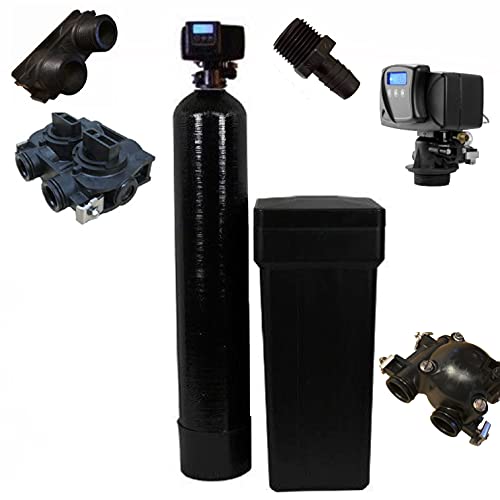
Sizing a whole‑house ion‑exchange softener requires accurate daily water usage, peak flow rates, and the measured hardness level. Undersized units regenerate too often, wasting salt and water; oversized units cost more upfront and may not regenerate efficiently. A licensed installer performs the calculations, selects a resin volume and control valve matched to your household, and ensures the system meets local plumbing codes.
Installation often involves cutting into the main water line, adding a bypass valve, providing a drain for regeneration discharge, and sometimes upgrading the electrical supply for the control head. These tasks typically exceed the scope of a weekend DIY project and carry risk of leaks or code violations if done incorrectly.
Ongoing Maintenance and System Optimization
Even a properly installed softener needs periodic resin cleaning, brine tank inspection, and control‑valve calibration to maintain performance. Professionals can set up a maintenance schedule, test resin capacity, and adjust regeneration cycles based on seasonal water‑use changes, which helps extend resin life and reduce salt consumption.
If your water chemistry shifts — for example, after a municipal source change or well rehabilitation — a professional can re‑test and re‑program the system or recommend supplemental treatment (such as an iron filter) without guesswork. This proactive approach prevents the gradual return of scale problems.

FAQ
How do I know if my hard water problem is severe enough for a professional?
If scale returns within days of cleaning, multiple fixtures lose pressure, or appliances such as water heaters fail repeatedly, the hardness level and distribution likely exceed what point‑of‑use filters or occasional descaling can manage.
Can I install a whole‑house softener myself to save money?
Installation involves cutting the main supply line, providing a proper drain for regeneration waste, and meeting local plumbing codes. Mistakes can cause leaks, water damage, or non‑compliant work that may void homeowner insurance.
What does a professional water‑quality test include that a home kit does not?
A lab analysis measures total hardness, carbonate vs. non‑carbonate hardness, iron, manganese, silica, pH, alkalinity, and total dissolved solids — data needed to choose the right softener type, resin volume, and any pre‑treatment.
How often should a professionally installed softener be serviced?
Most manufacturers recommend an annual inspection of the resin bed, brine tank, and control valve, with adjustments to regeneration frequency based on actual water usage and any changes in source water chemistry.
This article provides general guidance based on typical residential scenarios; water chemistry and plumbing conditions vary widely. For definitive assessment, system design, and code‑compliant installation, consult a licensed water‑treatment professional or certified plumber.

These statements have not been evaluated by the Food and Drug Administration. This information is not intended to diagnose, treat, cure, or prevent any disease. Content is for informational purposes only and is not medical advice; consult a qualified healthcare provider before starting any supplement. As an Amazon Associate we earn from qualifying purchases.
