Many homeowners turn to a hard water scale buildup and softening test kit to get a quick sense of mineral levels in their tap water. These kits are inexpensive, widely available, and can be used without any special training.
However, the results only show a snapshot of hardness at the moment of testing and do not capture fluctuations, hidden contaminants, or the condition of your plumbing. Understanding what the numbers mean — and what they don’t — helps you decide whether a simple filter, a softener, or a professional assessment is the next step.
- DIY kits give a fast, low‑cost snapshot of calcium‑magnesium hardness but not a full water‑quality picture.
- Results are expressed in ppm or gpg; use the standard hardness categories to gauge scaling risk.
- Single‑point tests miss temporal variation, temperature effects, and non‑hardness contaminants.
- Professional lab testing is recommended for persistent scaling, health‑related concerns, or system design.
- Match the kit type (strips, titration, digital) to your budget, needed precision, and how often you plan to test.
How DIY Hardness Test Kits Work
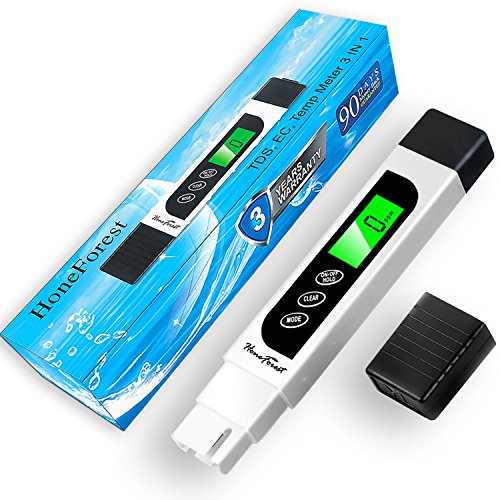
Most home kits fall into three categories: color‑change test strips, titration drop kits, and handheld digital meters. Strips are dipped in a water sample and compared to a printed chart; titration kits add a reagent drop by drop until a color shift occurs, letting you count drops to calculate hardness; digital meters use an electrode to give a direct reading in parts per million (ppm) or grains per gallon (gpg).
All of these methods measure the combined concentration of calcium and magnesium ions, which are the primary contributors to hardness [1]. The result is usually expressed as ppm of calcium carbonate equivalent or as gpg. None of the common kits measure other dissolved solids such as iron, manganese, silica, or chloride, nor do they assess pH, alkalinity, or microbial content.
What the Results Tell You
A reading below 60 ppm (≈3.5 gpg) is generally considered soft, 60‑120 ppm (3.5‑7 gpg) moderately hard, 120‑180 ppm (7‑10.5 gpg) hard, and above 180 ppm (10.5 gpg) very hard. Knowing where your water falls helps predict scale buildup on fixtures, reduced soap lather, and decreased efficiency of water‑using appliances such as dishwashers and water heaters.
The numbers do not tell you how quickly scale will form in hot‑water pipes, whether existing scale is already restricting flow, or if the water contains corrosive elements that could damage plumbing. They also give no information about taste, odor, or potential health‑related contaminants such as lead or arsenic.

Common Limitations of Home Test Kits
Each kit provides a single point measurement; water hardness can vary seasonally, between municipal sources, or even between different taps in the same house. User technique, such as not waiting the full reaction time for strips or miscounting titration drops, can shift a result far enough to land it in the wrong hardness category.
Temperature influences both strip color development and electrode response, so a cold‑water sample may read differently than the hot water that actually contacts your heater. Most kits have a limited detection range (often up to 250‑300 ppm), so very hard water may read off‑scale. Finally, none of the kits evaluate the scaling potential of specific appliances or the condition of existing pipe interiors.

When a Professional Water Analysis Is Worth It
If you notice persistent white deposits on fixtures despite a moderate hardness reading, experience unexplained taste or odor changes, or have concerns about lead, copper, or bacterial contamination, a certified laboratory test is the reliable next step. Labs can run a full suite — hardness, iron, manganese, pH, alkalinity, total dissolved solids, and a panel of regulated contaminants — with documented chain‑of‑custody and accredited methods.
Professional analysis is also advisable when planning a whole‑house softening system, because sizing the equipment correctly depends on accurate hardness, flow rate, and water chemistry data. In some jurisdictions, landlords or home‑seller disclosures require a lab report rather than a DIY result.
Choosing the Right Kit for Your Needs
Look for kits that reference a recognized testing method (e.g., EPA Method 130.1 for hardness) and clearly state the measurement range. Strips are adequate for a quick check and cost $10‑$20 per pack; titration kits offer better precision for $30‑$80 and are useful if you need to track changes over time; digital meters run $100‑$200 and provide instant numeric readouts but require periodic calibration.
Check the expiration date on reagents, ensure the color chart or display is easy to read under typical kitchen lighting, and verify that the kit includes instructions for both cold‑ and hot‑water sampling if you plan to test both. While no consumer kit carries a certification like NSF/ANSI for treatment devices, selecting a product from a reputable water‑testing supplier reduces the chance of faulty reagents or ambiguous charts.
FAQ
Can a test strip tell me if my water softener is working?
A strip only shows the hardness of the water at the moment of testing. If the softener is functioning, the post‑softener sample should read low hardness, but the strip cannot confirm resin capacity, regeneration timing, or bypass valve status.
Do digital meters need calibration?
Yes. Most handheld meters require calibration with a standard solution before first use and periodically thereafter, especially if they are stored dry or exposed to temperature extremes.
What hardness level justifies installing a whole‑house softener?
Generally, water above 120 ppm (7 gpg) begins to cause noticeable scale on fixtures and reduces appliance efficiency. However, the decision also depends on household water use, local plumbing codes, and personal tolerance for maintenance.
Are there any health risks from hard water itself?
Hard water is not considered a health hazard; the primary concerns are aesthetic (taste, soap performance) and mechanical (scale buildup). If you suspect other contaminants, a full laboratory panel is needed.

DIY kits are useful for a quick check but cannot replace a certified laboratory analysis; if you notice persistent scale, unusual taste, or health symptoms, contact a licensed water‑treatment professional for comprehensive testing and remediation.
References
- Hardness of Water. U.S. Geological Survey
These statements have not been evaluated by the Food and Drug Administration. This information is not intended to diagnose, treat, cure, or prevent any disease. Content is for informational purposes only and is not medical advice; consult a qualified healthcare provider before starting any supplement. As an Amazon Associate we earn from qualifying purchases.
