Top Picks
These are the products we currently recommend, chosen from what we have reviewed across the site. Each pick lists what it is good for and who it suits, so you can match one to your situation rather than defaulting to the cheapest listing.
As an Amazon Associate we earn from qualifying purchases. This does not change what you pay.
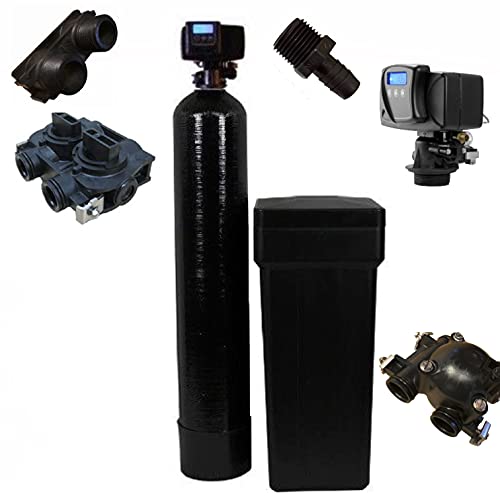
The Fleck 5600 SXT is the control valve most independent installers reach for, which means parts, seals and service knowledge are available almost anywhere. That serviceability is worth more over a decade than any spec-sheet difference.

If your water has taste, odor or sediment problems on top of hardness, a two-in-one unit saves you a second tank, a second install and a second set of connections. The NSF certification is the part worth paying for, because it means the performance claim was tested by someone other than the manufacturer. Name the standard before you compare two units. This one is certified to NSF/ANSI 44 for hardness reduction, softening efficiency and the reduction of barium and radium 226/228, and separately to NSF/ANSI 42 for chlorine taste and odor. It carries no NSF/ANSI 53 health-effects listing, so read it as a softener with an aesthetic filter attached rather than a contaminant-removal system.

Metered control is the feature that separates a softener you forget about from one that wastes salt. It regenerates on gallons actually used rather than a fixed timer, which matters most in the four-plus person homes this capacity targets.

Oversizing a softener is the most common and most expensive mistake in this category. For a one to three person home on moderately hard water, 32,000 grains regenerates on a sane schedule instead of burning salt to service capacity you never use.
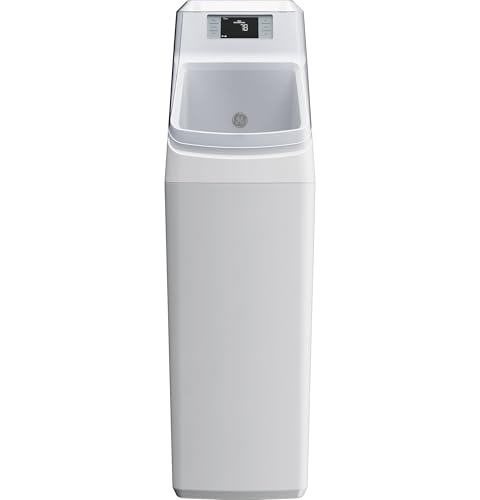
Most softener failures are not mechanical. They are an empty brine tank nobody noticed for six weeks. A WiFi unit that pushes a low-salt alert to your phone removes the single most common way these systems quietly stop working.

Salt-free conditioners do not remove calcium, they change its form so it stops sticking to pipes and heating elements. That distinction matters: you keep the minerals in your drinking water, you skip the brine discharge some municipalities restrict, and you get no slippery-water feel.